Theo Long · 30 September 2026
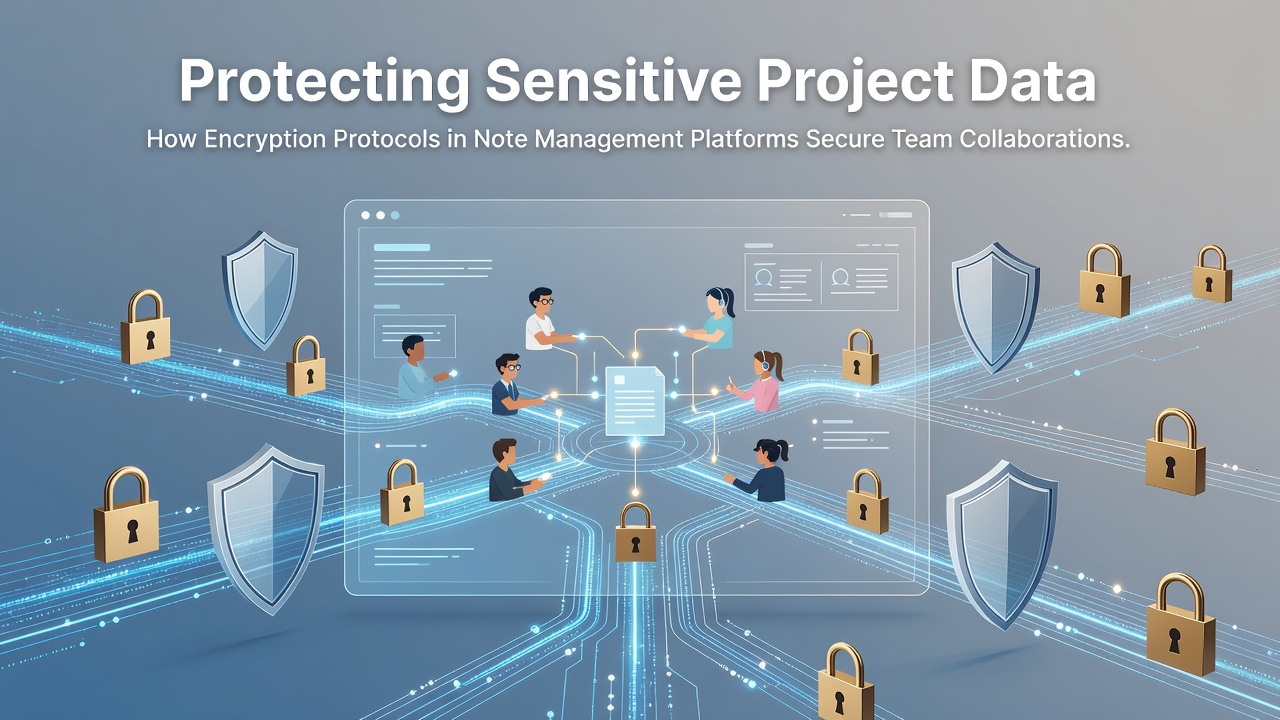
How Encryption Protocols in Note Management Platforms Protect Sensitive Project Data During Team Collaborations
Note management platforms rely on layered encryption protocols to safeguard project data as teams share, edit, and store information across distributed environments. These systems apply standards such as AES-256 for data at rest and TLS 1.3 for data in transit, which together prevent unauthorized interception while enabling simultaneous contributions from multiple users. Researchers at institutions including those affiliated with the National Institute of Standards and Technology have documented how these protocols maintain confidentiality without restricting workflow speed. Platforms implement zero-knowledge architectures where the service provider cannot access decrypted content, so only designated team members hold the keys necessary for viewing or modifying notes.Core Encryption Mechanisms in Collaborative Settings
End-to-end encryption forms the foundation for many note platforms that support group projects. Each note receives unique encryption keys generated on user devices, and those keys travel encrypted to recipients through secure channels. When a team member adds or updates content, the platform re-encrypts the changed sections before synchronization occurs across connected accounts.
Access controls integrate directly with these protocols by requiring multi-factor authentication and role-based permissions before keys are released. Data shows that organizations using such combined approaches report fewer incidents of unauthorized access during extended collaboration periods. Key rotation policies further strengthen protection by replacing encryption keys at regular intervals, which limits the window of exposure if any single key becomes compromised.
Handling Data in Transit and at Rest
Transmission security depends on protocols like TLS 1.3 combined with certificate pinning to block man-in-the-middle attempts. As team members upload files or edit shared notes, packets move through encrypted tunnels that verify both endpoints before data exchange begins. Observers note that this process occurs transparently, so users experience minimal latency even when multiple collaborators work on the same document simultaneously.
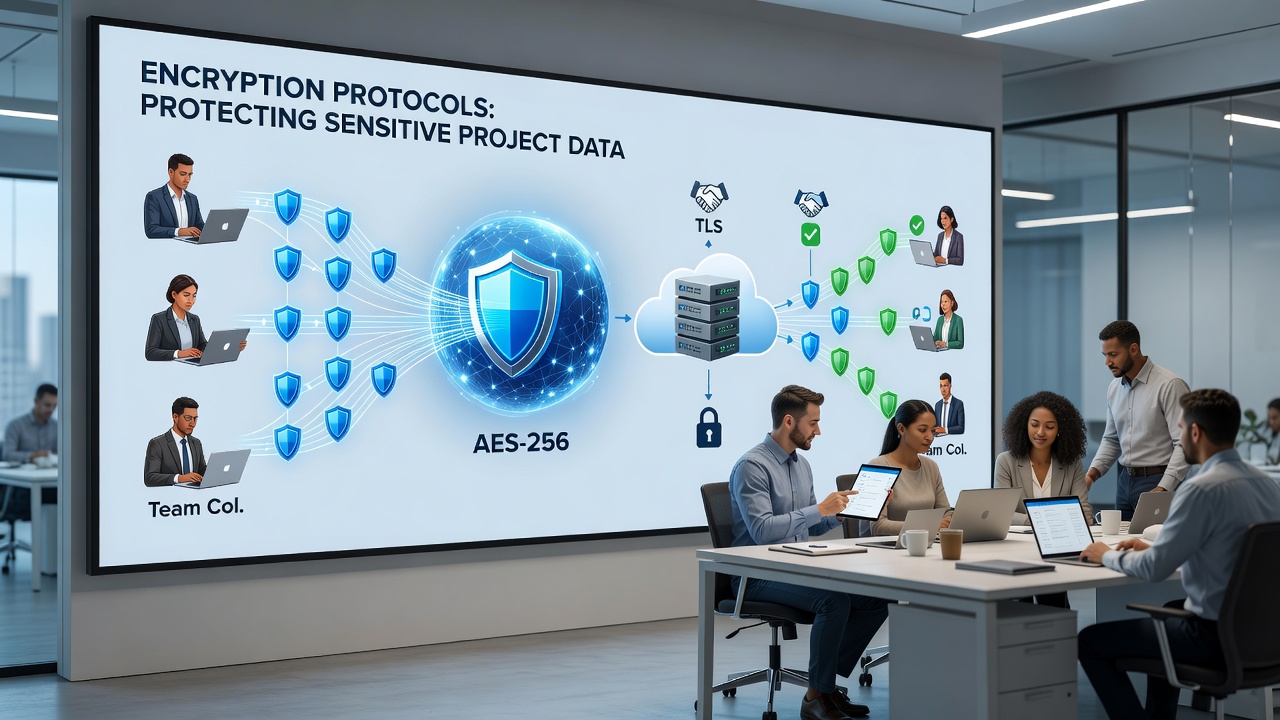
Storage encryption applies AES-256 across servers located in various geographic regions. Platforms segment data into encrypted blocks, each tagged with metadata that only authorized clients can interpret. This segmentation allows selective decryption for individual team members based on their permissions while keeping the remainder protected. Studies from sources such as the European Union Agency for Cybersecurity indicate that segmented storage reduces the impact of potential breaches because attackers gain access to isolated fragments rather than complete project records.
Key Management and User Authentication
Secure key distribution remains central to protecting collaborative workflows. Platforms generate and store private keys exclusively on user-controlled devices, then distribute public keys through encrypted directories. When new collaborators join a project, the system issues temporary access tokens that expire after a set period unless renewed through verified channels.
Multi-factor authentication layers add another barrier before any decryption step activates. Hardware security modules often handle key operations on the server side, which keeps master keys isolated from routine application processes. Data from industry reports shows that teams adopting hardware-backed key management experience lower rates of credential-related incidents compared with password-only systems.
Compliance and Audit Capabilities
Many platforms incorporate logging mechanisms that record access attempts without exposing decrypted content. These logs support regulatory requirements such as those outlined in frameworks from the Australian Cyber Security Centre, where organizations must demonstrate control over sensitive information during audits. Encryption protocols enable granular audit trails that track which team member viewed or edited specific sections while preserving overall confidentiality.
Regular penetration testing and protocol updates keep defenses aligned with emerging threats. Platforms schedule these evaluations quarterly, incorporating feedback from independent security firms to refine implementations. As standards evolve, note management services migrate to newer cipher suites without disrupting ongoing team projects.
Conclusion
Encryption protocols in note management platforms create a secure environment for team collaborations by combining established algorithms with strict access controls and continuous monitoring. These measures ensure project data remains protected throughout its lifecycle, from initial creation through shared editing and long-term storage. Organizations that integrate such systems maintain data integrity while supporting flexible team structures across multiple locations.