Theo Long · 16 September 2026
Leveraging Advanced Tagging Systems to Enhance Information Retrieval in Everyday Digital Organization
Advanced tagging systems allow users to attach descriptive metadata to files, notes, emails, and other digital assets so retrieval becomes faster and more precise than traditional folder structures permit. Researchers have documented how these systems reduce the time spent searching through cluttered drives and cloud services by replacing rigid hierarchies with flexible keyword associations that adapt to individual workflows.
How Tagging Systems Function in Practice
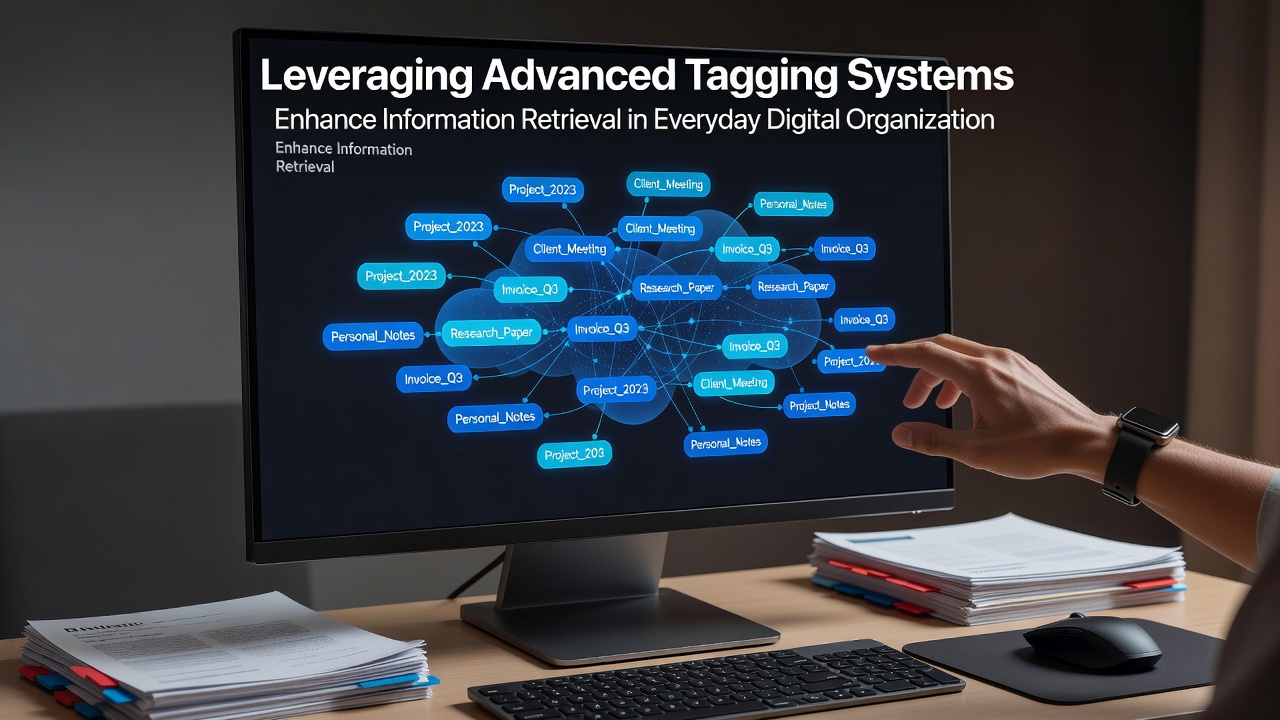
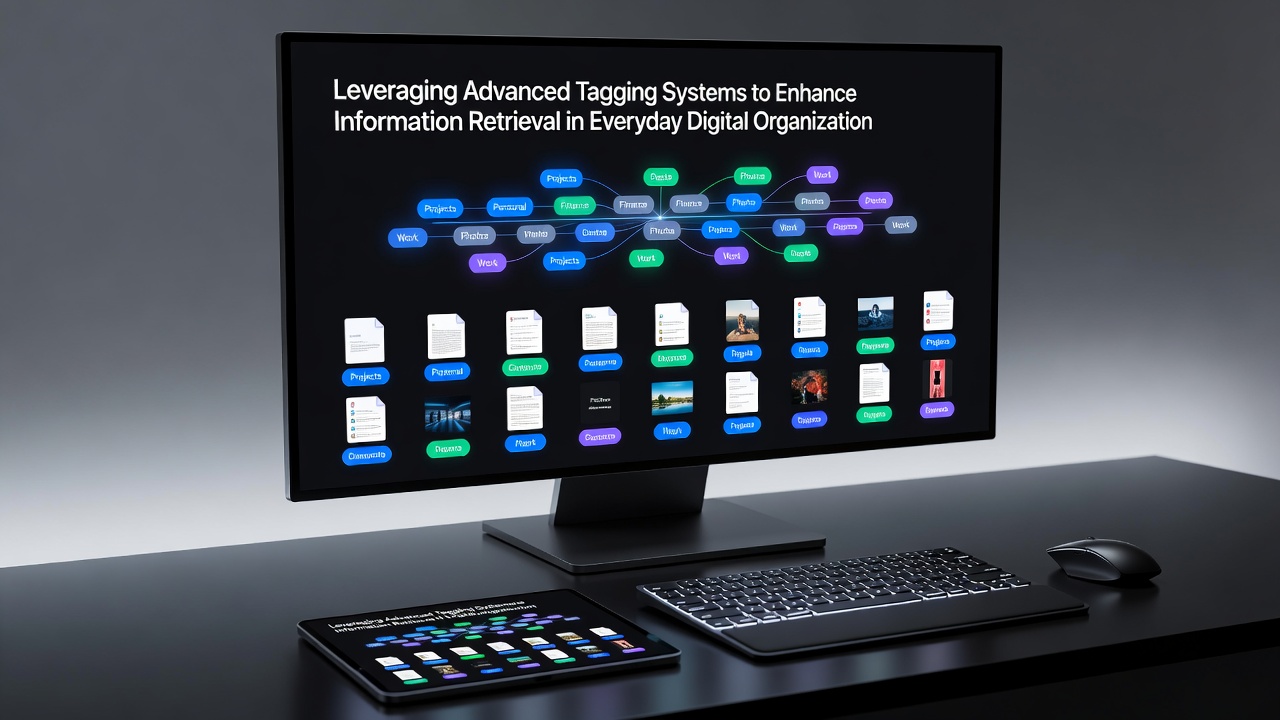
Modern tagging platforms combine user-generated labels with automated suggestions derived from content analysis and machine learning models. When someone saves a document, the system proposes tags based on keywords, dates, project names, or related items already in the collection. Observers note that this hybrid approach maintains consistency while still giving people control over the categories that matter most to their specific needs.
Studies from academic institutions show that semantic tagging layers further improve results by linking related concepts across different file types. A research paper stored alongside meeting notes and budget spreadsheets can surface together during a later query because the underlying system recognizes overlapping themes rather than exact folder locations.
Applications Across Daily Digital Tasks
People managing personal and professional information often deal with thousands of documents scattered across multiple devices and services. Tagging systems address this fragmentation by creating cross-platform connections. Data from the National Institute of Standards and Technology indicates that organizations adopting structured metadata practices experience measurable gains in locating records during audits and compliance reviews.
One study revealed that teams using consistent tagging protocols cut average retrieval time by more than half compared with groups relying solely on search engines within shared drives. The same patterns appear in individual use cases where users maintain large personal archives of research materials, invoices, and correspondence.
Implementation Patterns Observed in 2025 and 2026
Adoption trends show increasing integration of tagging features directly into operating systems and productivity suites. Software updates scheduled for September 2026 are expected to introduce native support for advanced tagging across major desktop and mobile platforms, allowing seamless synchronization of labels between local storage and cloud services without additional third-party applications.
Those who have studied adoption curves point out that successful implementations begin with a small set of core tags that expand gradually as users identify recurring categories. Overly complex initial taxonomies tend to discourage consistent application, whereas simple starting frameworks encourage broader participation across teams and households.
Evidence from Research and Industry Reports
Figures from the OECD digital economy outlook demonstrate that information workers spend substantial portions of their day locating previously created content. Tagging systems that support both free-text labels and controlled vocabularies have been shown to lower that overhead in multiple controlled trials. European Commission analyses of public sector digitization projects similarly highlight metadata standardization as a key factor in successful long-term record management.
Case examples include legal firms that tag case files with jurisdiction, client name, and matter type simultaneously, enabling rapid assembly of related documents for court filings. Academic researchers apply similar methods to literature reviews by tagging papers with methodology, population studied, and publication year, which accelerates synthesis when preparing new manuscripts.
Future Developments and Integration Points
Emerging standards for interoperable tagging schemas are under discussion among standards bodies, which should reduce friction when moving collections between different software environments. In September 2026 several open-source projects plan to release updated libraries that support these schemas natively, making advanced features accessible to smaller organizations and individual users without enterprise budgets.
Integration with voice assistants and natural language query interfaces represents another active area of development. Systems that accept spoken requests such as "show notes tagged with project alpha from last quarter" already exist in limited form, and wider deployment is anticipated as underlying models improve accuracy on contextual references.
Conclusion
Advanced tagging systems provide a practical method for organizing digital content so that retrieval relies on meaningful associations rather than exact file paths. Research across government agencies, academic centers, and industry groups consistently shows gains in efficiency when metadata practices are applied thoughtfully. As native support expands in 2026 and beyond, these tools are positioned to become standard components of everyday digital workflows across personal and professional contexts.